custom ERPweb solutionsmobile appschatbotsAI assistantsbusiness systemsmini appsAIcustom ERPweb solutionsmobile appschatbotsAI assistantsbusiness systemsmini appsAIcustom ERPweb solutionsmobile appschatbotsAI assistantsbusiness systemsmini appsAI

Routes, roles, statuses, approvals, and execution control are unified in a single system. All information is structured, all actions are tracked.

The AI module analyzes task states, recommends actions, forecasts risks and deviations. Integration is implemented at the interface and business logic level.

The system does not require fitting processes to templates. Instead, the architecture is shaped based on the current organizational model and inter-department interaction scenarios.
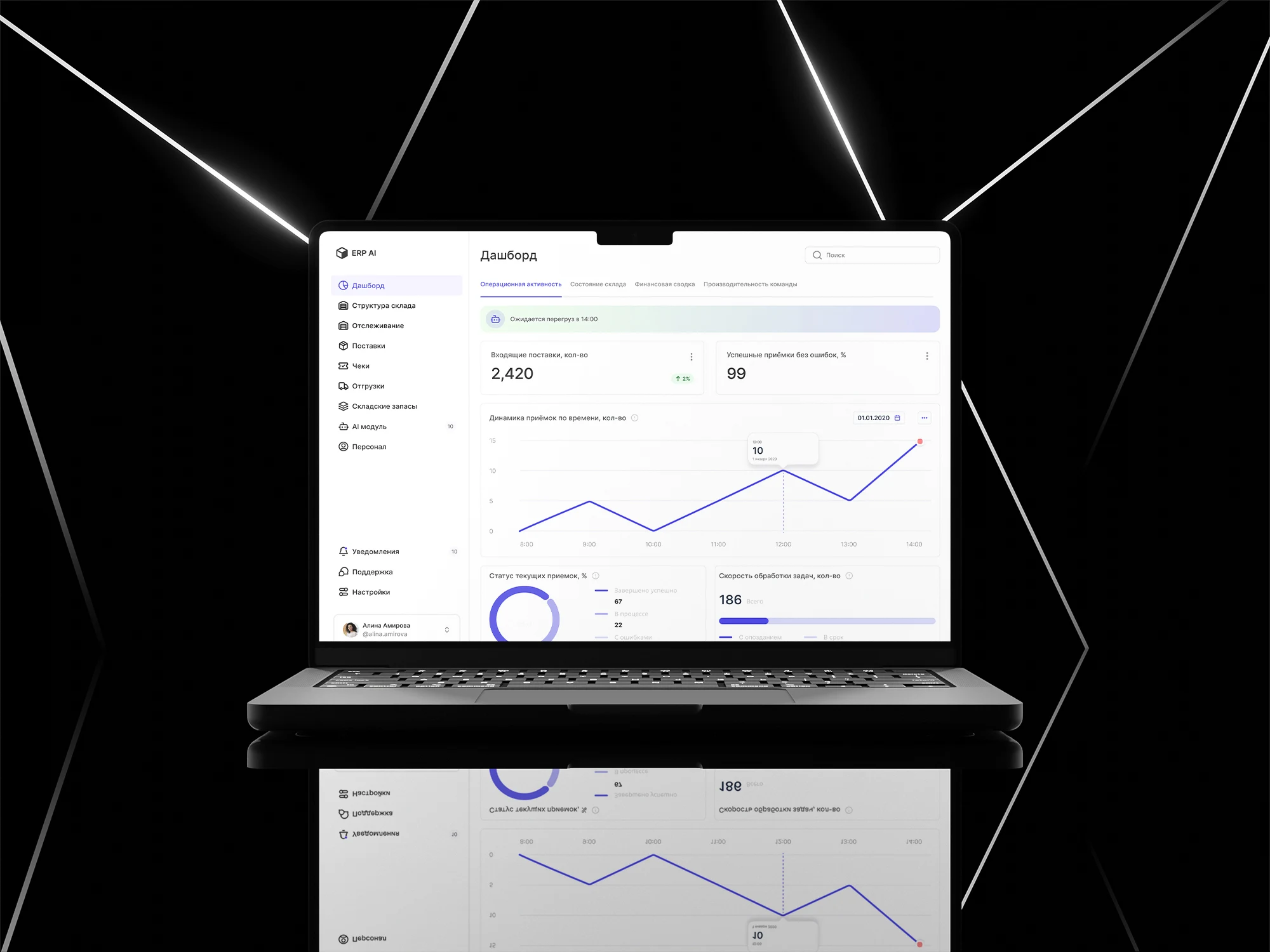


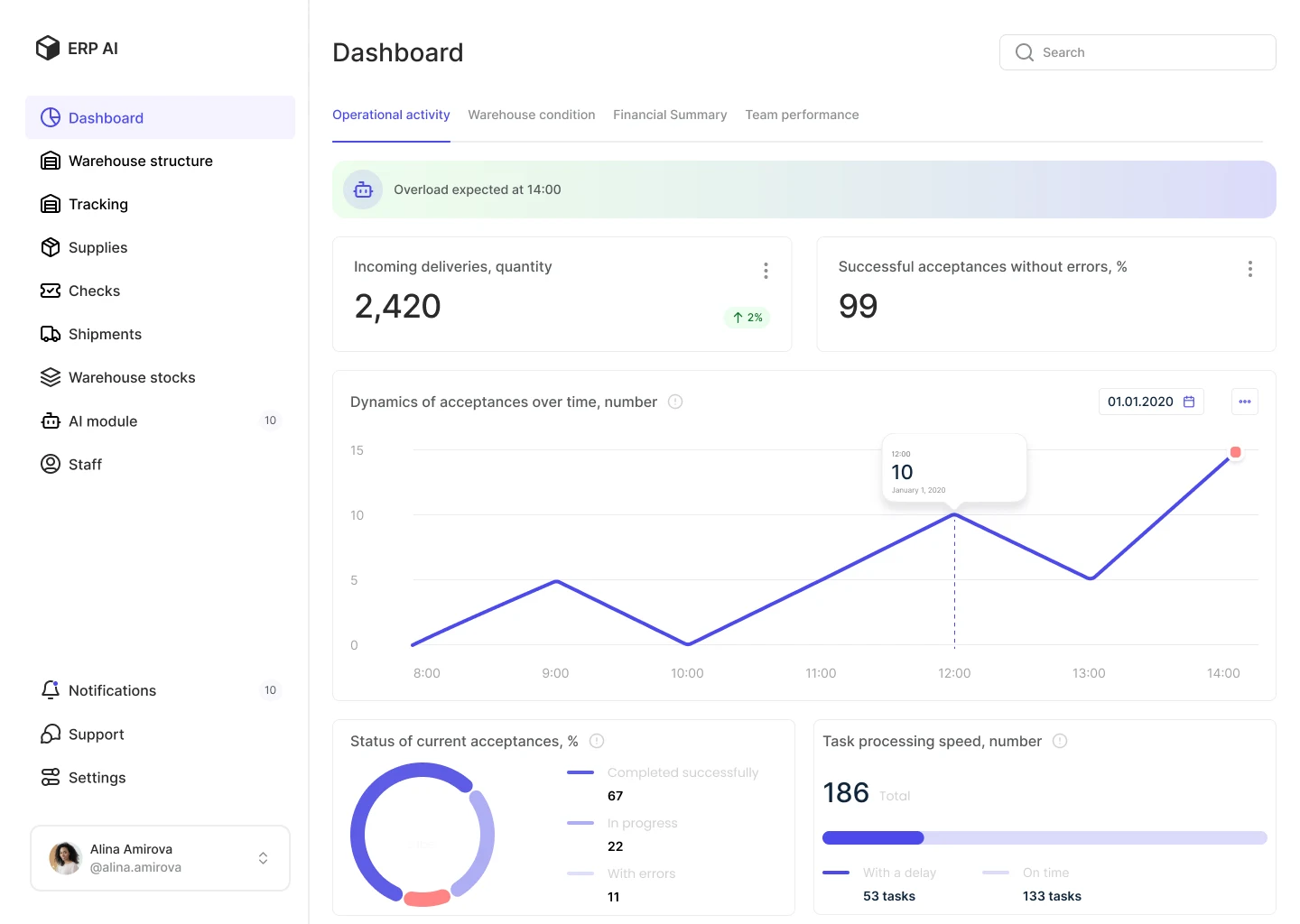
The AI module identifies bottlenecks, suggests optimizations, and explains the reasons for deviations and delays
Flexible approval route modeling with conditions, triggers, and visual diagrams
A role model that accounts for departments, task types, work phases, and nesting
Based on history and workload, the team receives predictive signals for tasks
Template recommendations when recurring actions are detected in the team's workflow
Multiple overview levels: employee, manager, department, entire system
Understanding how the client enters your process and what steps they need to go through.
Identifying key touchpoints: first contact, registration, order, payment.
Determining which steps can be automated, where logic is needed, and where follow-up is required.
Building the structure of the future funnel — from entry to result.
Implement permissions across three levels (role, department, entity type)
Custom ACL module with caching and flexible configuration
Improve relevance of AI hints and reactions
Building an intermediate layer with enriched context — routes, roles, statuses, task parameters
Prevent "stuck" tasks and implicit blockers
AI generates text comments explaining reasons, suggests actions (e.g., "To proceed, you need to...")
Confirmed by post-implementation research